

Garage Door Maintenance Checklist: Florida Homeowner Guide

Southwest Florida's salt spray and UV exposure create a corrosion cycle that's faster than almost anywhere else in the country. A maintenance checklist built for Ohio or Nevada won't protect mechanical components from the specific wear patterns we see in Sarasota, Manatee, and Charlotte counties. You need a routine built around humidity, salt air, and hurricane prep, not generic seasonal advice.
This guide lays out a practical garage door maintenance checklist for Florida homeowners who want to extend equipment life and stay storm-ready. It focuses on steps you can take between professional service visits to catch problems early.
Why SW Florida Climate Demands a Unique Maintenance Routine
Standard wear happens everywhere, but coastal Florida adds chemical aggression to mechanical stress. Salt aerosols settle on metal surfaces and combine with high humidity into an electrolyte solution that eats through steel and aluminum far faster than dry inland air ever could. Hardware that lasts decades up north can fail here in just a few years without aggressive preventive care.
Salt Air Corrosion vs. Standard Wear
Homeowners in barrier island communities like Longboat Key or Boca Grande typically need quarterly hardware inspections because of direct salt air exposure. Inland Sarasota properties can often get by with semi-annual checks. The difference comes down to proximity to the Gulf and how much salt particulate the prevailing winds carry.
Preventing garage door rust in Florida means understanding that corrosion usually starts inside hinge barrels and track channels, where salt builds up unseen, long before any rust shows on the surface.
Humidity and Mold Risks for Garage Components
High humidity does more than rust metal. It swells wood panels, breaks down adhesive bonds in insulated sections, and grows mold on weather seals. Maintaining a garage door in a humid climate means managing moisture buildup just as much as preventing mechanical friction. Moisture trapped in bottom seal channels or between panel joints speeds up decay and weakens the thermal barrier your door is supposed to provide.
Pre-Hurricane Season Garage Door Care Checklist
Garage door care before hurricane season needs to happen before June 1st, not after a named storm shows up in the Gulf. Wait until a watch is issued and there's no time left to order parts or get professional adjustments done if your inspection turns up compromised components. Your pre-storm prep directly determines whether the largest opening in your home's envelope holds under wind pressure, positive or negative.
Inspecting Reinforcement Struts and Brackets
Impact-rated garage doors in Florida have to meet wind-load testing standards, but poorly maintained reinforcement struts can undercut that rating when an actual storm hits. Check every strut bracket for tightness, and look at welds and rivets for hairline cracks that signal metal fatigue from past flexing. Loose struts spread wind load unevenly across the door section, creating weak points that lab testing never accounted for.
Testing Balance and Spring Tension Before Storms
A door that struggles to open or close in calm weather will fail outright once wind adds hundreds of pounds of lateral pressure. Disconnect the opener and lift the door halfway by hand. It should stay put, not drift up or down. That's proper spring counterbalance. If the door feels heavy or drops when you let go, the spring tension is off, and the system won't handle storm forces safely.
Verifying Weather Seal Integrity Against Water Intrusion
Water usually gets in during storms through worn-out perimeter seals, not structural failure. Run your hand along the top and side weatherstripping and feel for gaps, brittleness, or spots that have pulled away from their retainers. Replace cracked seals now and you avoid water damage to stored items and interior walls later, keeping the barrier intact for when driving rain comes with high wind.
Quarterly Lubrication and Rust Prevention Steps
As a manufacturer and installer serving Sarasota, Manatee, and Charlotte counties, we see premature component failure most often caused by salt buildup in tracks and hinge points that haven't been lubricated. Quarterly attention to these spots prevents the binding and corrosion that cut door lifespan dramatically in our environment. That cadence tracks with seasonal shifts in humidity and salt transport.
Choosing Salt-Resistant Lubricants for Coastal Homes
Not all lubricants hold up the same in high-humidity coastal conditions, and some actually make things worse. Garage door track lubrication for Florida homes should start with silicone-based or white lithium grease, since those products resist washing off and repel moisture. Skip the petroleum-based oils. They attract sand and salt grit, turning into an abrasive paste that grinds down rollers and hinges faster than running dry would.
Cleaning Tracks and Rollers to Remove Salt Residue
Lubricating over salt residue just traps corrosive material against the metal instead of protecting it. Wipe tracks clean with a damp cloth and mild detergent before applying fresh lubricant, paying extra attention to the curved radius sections where debris collects. Pull the rollers periodically to clean the axle bearings and check the nylon treads for flat spots, which grit embedded in the wheel surface tends to cause.
Monthly Visual Inspections for Humid Climates
Monthly checks take five minutes and catch problems while repairs are still simple and cheap. Stand inside the garage with the door closed and look for daylight leaking around the edges. That points to seal failure or track misalignment. Listen for new grinding noises or hesitation during operation, since those suggest mechanical issues developing before they turn into emergencies.
Cable fraying often starts at the bottom bracket attachment point, where moisture pools and strands corrode one at a time before the cable fails visibly. Roller wear gets worse in summer heat, as nylon softens and bearings lose lubrication faster than in cooler months. Catch these signs early and you can schedule service on your own timeline instead of in a panic.
Signs Your Garage Door Needs Professional Service
Some symptoms you can handle yourself. Others signal failures that need specialized tools and training. Knowing the difference between routine upkeep and a professional repair job prevents safety hazards and saves you from unnecessary service calls, and it protects your equipment warranty too.
Distinguishing Storm Damage from Mechanical Failure
Post-storm operational problems need careful diagnosis, because the cause determines the correct fix. Troubleshooting doors that won't close after storms starts with checking for bent tracks or displaced sensors before you assume the motor's failed. Sudden binding after high winds often means structural deformation, not an electrical problem, and forcing the opener against physical resistance damages gears and chains.
When DIY Adjustments Risk Safety or Warranty
Torsion springs store enough energy to cause severe injury or death if handled without the right winding bars and technique. Adjusting spring tension, replacing cables, or realigning tracks after impact is not a weekend project. Professional service also protects manufacturer warranties, which void coverage when unqualified people alter calibrated components. That matters even more on impact-rated systems, where the certification depends on keeping specifications intact.
Repair Vs Replacement After Florida Storm Exposure
A storm-compromised door means weighing immediate cost against long-term performance and code compliance. Evaluating repair versus replacement options takes an honest look at structural fatigue beyond what's visible. A door that survived one storm may have micro-fractures in the hinges or panel cores that leave it vulnerable to the next one, even if it's operating smoothly right now.
Insurance requirements in high-velocity hurricane zones increasingly call for documented compliance with current wind-load standards, which an older repaired door may not meet. Full replacement sometimes costs less over ten years than repeated repairs on a fatigued system that keeps degrading. For homes that need better protection, selecting the right hurricane-rated garage door during replacement handles both the storm vulnerability and the insurance premiums at once.
Maintaining Impact-Rated Doors for Maximum Lifespan
Impact-rated doors protect your home's envelope, but they need specific maintenance to keep their certified performance intact. These systems use heavier hardware and specialized seals that call for closer inspection than a standard residential door gets. Neglect their particular requirements and you risk losing the protection you paid a premium for.
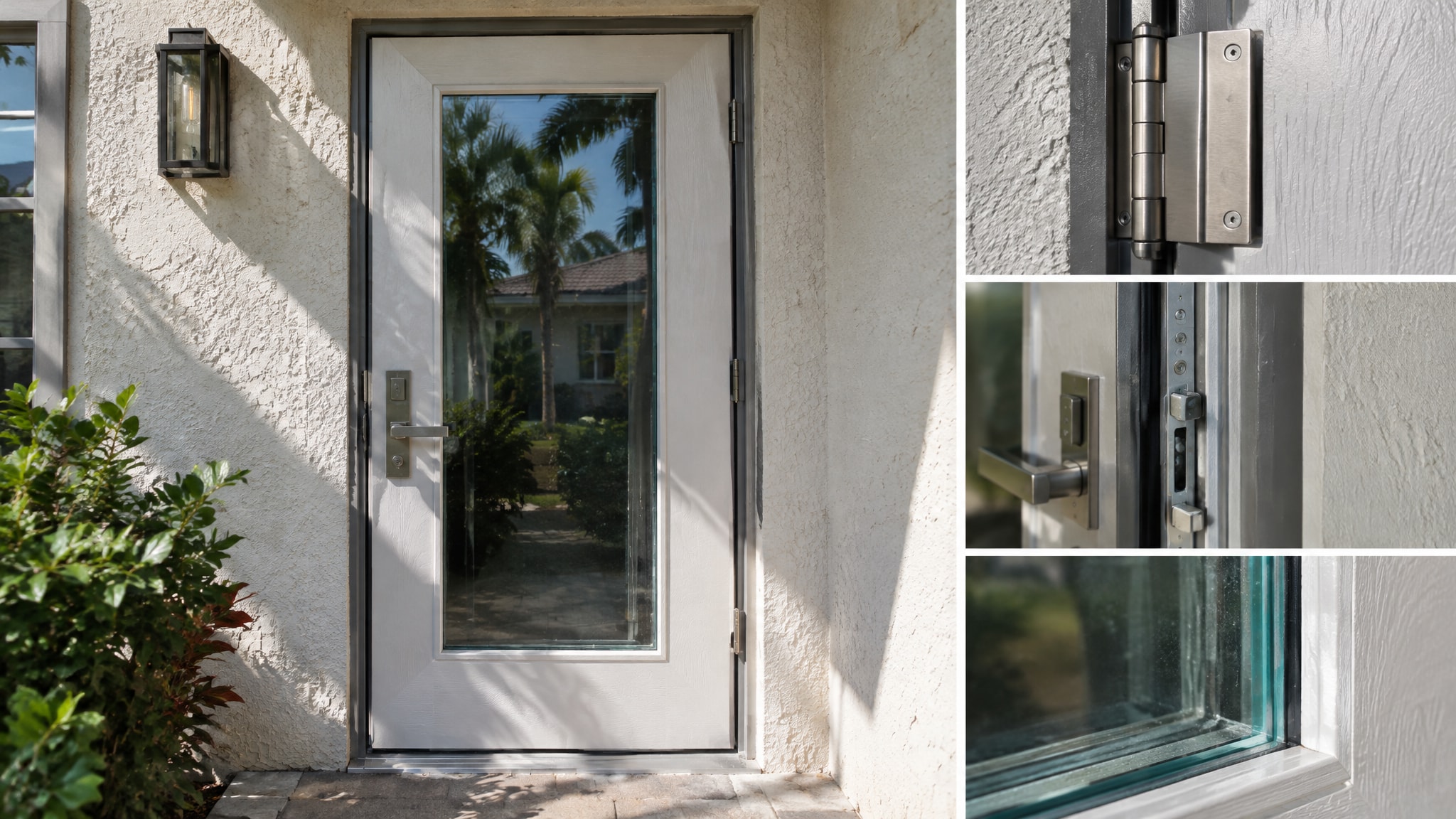
Reinforced hinges and multi-point locking mechanisms need checking to confirm the mounting bolts are still torqued to spec after thermal cycling and vibration. Specialized perimeter seals built to hold contact under deflection wear differently than standard weatherstripping, and replacing them means matching the identical profile to keep the rating valid.
Insulation benefits for Florida garage temperatures help explain why this maintenance is worth the investment: intact seals preserve storm protection and thermal efficiency both.
For homeowners whose inspection turns up wear or damage beyond DIY scope, Door Depot of SW Florida offers custom garage door manufacturing and installation alongside repair services, matched to your home's exposure and budget. Regular maintenance extends equipment life. Knowing when to call in professionals protects your property and your safety.
Frequently Asked Questions
How often should I lubricate my garage door in Southwest Florida?
Quarterly lubrication is recommended for coastal properties in Sarasota, Manatee, and Charlotte counties due to salt air exposure. Inland homes may extend to semi-annual service, but barrier island locations need the more frequent schedule. Always clean tracks and rollers before applying fresh lubricant to prevent trapping corrosive residue.
Can I adjust my garage door springs myself after a storm?
No, torsion spring adjustment requires specialized winding bars and training to avoid severe injury or death. Post-storm spring issues often indicate underlying structural problems that simple tension changes won't fix. Professional service also preserves manufacturer warranties that void when unqualified persons alter calibrated components.
What lubricant works best for garage doors in humid coastal climates?
Silicone-based or white lithium grease formulations designed for marine environments resist moisture wash-off and repel salt. Avoid petroleum-based oils that attract sand and grit, creating abrasive compounds that accelerate wear. The product label should specify suitability for high-humidity or coastal applications.
How do I know if my garage door needs replacement after hurricane damage?
Structural fatigue indicators include bent track sections, cracked hinge brackets, panel core separation, or persistent binding despite realignment attempts. Insurance compliance in high-velocity zones may require replacement if the damaged door no longer meets current wind-load standards. Professional evaluation determines whether repair restores full protective capacity or merely addresses symptoms.
Comments